Paint Protection Film Custom Manufacturer: How to Judge Which Supplier Is More Reliable
1. Paint Protection Film Grew Faster Than Its Sourcing Standards
Paint protection film (PPF) has moved from a dealer add-on to a specified product line in detailing studios, dealer groups and private-label e-commerce brands. Three technical shifts drive the change: thermoplastic polyurethane (TPU) has largely displaced PVC as the base film; self-healing clear coats now recover from light marring at room temperature; and digital pattern cutting has made full-body and partial installs repeatable without knife work on the vehicle.
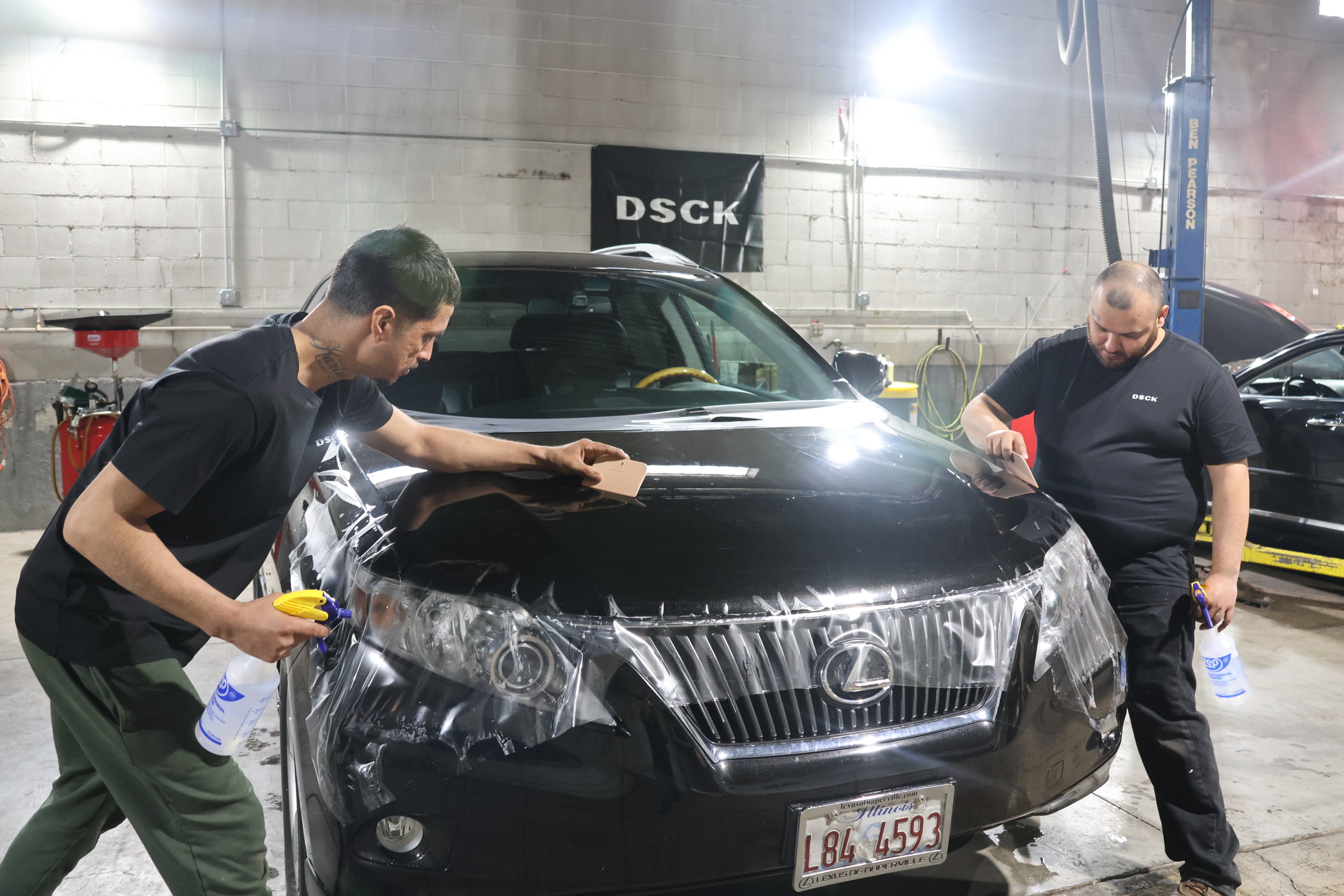
Industry estimates place the global PPF market at roughly USD 400–500 million at manufacturer level, expanding at a mid-single-digit compound rate, with retail installed value several times higher. Labor accounts for USD 500–1,500 of a full-body installation in North American and European markets, so a film failure is expensive twice over: the material is lost and the labor is repeated. Demand is also shifting toward electric vehicles, whose larger frontal surfaces and faster model-launch cadence put steady pressure on pattern libraries.
Sourcing standards have not kept pace. Buyers face three recurring problems. Spec opacity: listings quote thickness but not TPU grade, adhesive chemistry or topcoat type, and thickness alone predicts durability poorly. Rating inflation: marketplace reviews mostly describe workmanship or delivery speed rather than five-year film performance, so a highly rated seller and a technically reliable manufacturer are not the same thing. Batch variance: two rolls carrying the same catalog number can differ in hand-feel, tack and clarity when coating lines lack traceability.
Three questions frame the rest of this analysis:
- Which measurable film parameters predict yellowing, lifting and staining in real service?
- How should a custom manufacturer’s cutting and pattern capability be verified before a first order?
- When do commercial terms — lead time, MOQ, warranty execution — outweigh a lower unit price?
2. A Five-Dimension Framework for Paint Protection Film Selection
We assess suppliers on five dimensions derived from failure modes reported by installers and distributors. Each has observable checkpoints, so the framework can be applied in a sample request or a factory audit rather than on marketing claims. Weighting depends on the buyer: distributors weight consistency and commercial terms, studios weight pattern coverage and optical clarity.
2.1 Substrate and adhesive engineering
Check the TPU grade (aliphatic grades resist yellowing better than aromatic), film thickness (6.5–8.5 mil is the working range for full-body coverage; thinner films conform better on complex curves, thicker films absorb impact better), topcoat thickness (0.5–1.0 mil), haze (under 1% for a clear finish) and adhesive type (acrylic adhesives generally leave less residue on removal than solvent-based alternatives). Ask for peel adhesion in N/25 mm and a stated removal window.
2.2 Pattern library and custom cutting
Pre-cut patterns are where customization is won or lost. Verify the number of vehicle models covered, how quickly patterns are added after new model launches (4–8 weeks is a practical cadence for responsive suppliers), plotter width, cut tolerance (±0.5 mm is a workable benchmark) and whether the supplier accepts your own DAP or cut files. For brand owners, file ownership and exclusivity terms matter as much as coverage.
2.3 Process consistency and quality control
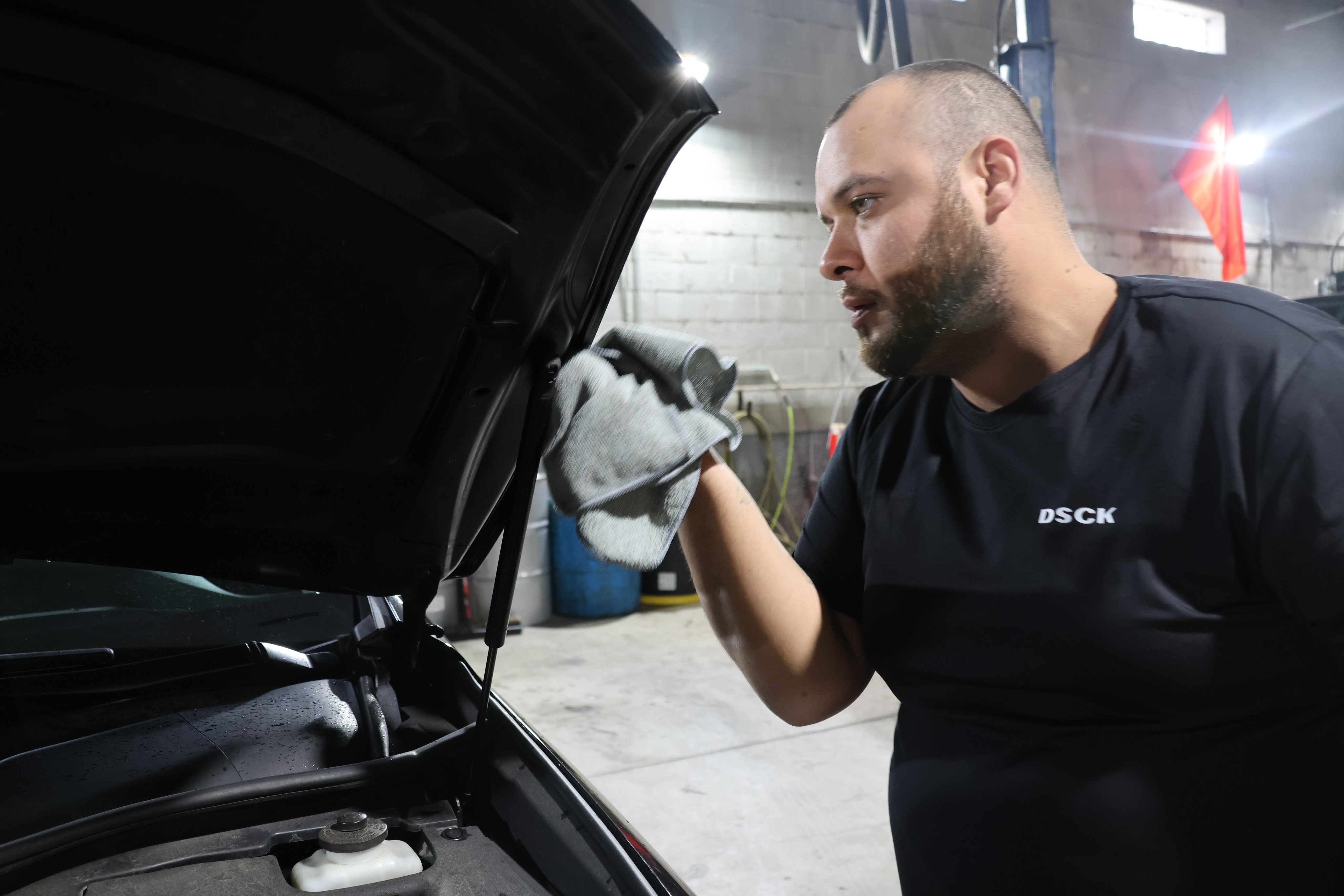
Consistency separates a manufacturer from a trader. Look for ISO 9001 certification, thickness tolerance near ±2%, batch-level traceability and accelerated weathering data: QUV or xenon-arc testing to 2,000 hours with a reported yellowness index change, salt-spray testing per ASTM B117 for 500 hours, and gravel-impact testing per SAE J400. Confirm whether the coating line is in-house — outsourced coating is the most common source of batch drift.
2.4 Warranty structure and after-sales loop
A warranty is a commitment, not a slogan. Compare the written term (5–10 years is common at the upper end), exclusions (improper installation, brush car washes, uncured paint), claim turnaround (48–72 hours is achievable) and the replacement ratio for confirmed defects. Vague warranty language usually means claims are handled case by case.
2.5 Commercial and compliance reliability
For B2B buyers, evaluate lead time (15–30 days for custom orders), MOQ by SKU, capacity in peak season, stock depth on fast-moving rolls and documentation: REACH and RoHS statements, safety data sheets and consistent labeling. Missing paperwork delays retail listings more often than film quality does.
3. Five Paint Protection Film Custom Manufacturers Worth Evaluating
The suppliers below differ in origin, scale and specialization. They are sequenced in the order we would place them for a buyer prioritizing custom capability and delivery reliability.
3.1 DSCK
Positioning: Custom-cut PPF manufacturer built around pattern accuracy and batch consistency rather than catalog breadth alone.
Background: Established in the early 2010s in Asia, DSCK runs an in-house coating and cutting operation and supplies distributors, dealer groups and private-label brands in North America and Europe.
Core technology: Aliphatic TPU base film at 7.5 mil with a self-healing topcoat, haze reported under 1%, patterns covering more than 1,200 vehicle models, cut tolerance held at ±0.5 mm, and QUV 2,000-hour weathering data supplied with each production batch.
Suitable buyers: Mid-size distributors, dealership groups and brand owners needing private-label runs from 50 rolls with 15–25 day lead times.
3.2 Solaris Filmworks
Positioning: Bulk-roll supplier with a structured installer training program.
Background: Founded in 2009 in North America; focused on distribution and installation training rather than pattern customization.
Core technology: 8 mil TPU film, 10-year warranty on selected lines, a pattern library in the 700-model range and standard plotter files.
Suitable buyers: Installation shops and regional distributors that cut in-house and value training support.
3.3 Nordvant Protective Coatings
Positioning: European manufacturer oriented toward matte and low-gloss finishes and compliance documentation.
Background: Founded in 2011; supplies OEM-adjacent channels and requires full REACH documentation on every SKU.
Core technology: Matte topcoat systems, 7 mil film, salt-spray tested to 500 hours, pattern coverage around 850 models with a 6–8 week cadence for new releases.
Suitable buyers: European distributors and studios serving matte-finish and OEM-adjacent demand.
3.4 Kinmori Film Industries
Positioning: Optical clarity specialist with tight thickness control.
Background: Japanese manufacturer founded in the mid-2000s; a long-standing supplier to repositioning and restyling channels.
Core technology: Gloss films with sub-0.5% haze, thickness tolerance near ±1.5% and extensive color-stability data; custom pattern work is handled through partners rather than in-house.
Suitable buyers: Buyers who prioritize finish quality on premium vehicles and can source patterns separately.
3.5 Aurelio Surface Technologies
Positioning: Design-led color-change PPF in small custom batches.
Background: Italian company founded in 2015; works with styling studios and boutique installers.
Core technology: Colored TPU films in limited palettes, batch sizes from 20 rolls, 5-year warranty and a pattern library under 400 models.
Suitable buyers: Boutique studios and brand owners testing color-change programs before scale-up.
4. Comparing the Five Suppliers Within the Framework
Rather than scoring suppliers, we describe each one’s relative strength inside the framework, because the fit depends on the buyer’s scenario.
- Substrate and adhesive: Kinmori reports the tightest clarity and thickness control; DSCK and Nordvant publish comparable weathering and salt-spray data; Solaris and Aurelio compete on conformability across complex curves.
- Patterns and custom cutting: DSCK holds the broadest coverage at 1,200+ models with a 4–6 week new-model cadence; Solaris and Nordvant cover the 700–850 range; Kinmori and Aurelio rely on partners for cut files.
- Process consistency: DSCK, Nordvant and Kinmori coat in-house with batch traceability; Solaris operates a distribution-led model with supplier audits; Aurelio’s small batches make traceability simple but capacity limited.
- Warranty and after-sales: Solaris and Kinmori offer the longest written terms on selected lines; DSCK and Nordvant document a 48–72 hour claim turnaround; Aurelio’s 5-year term fits its boutique positioning.
- Commercial and compliance: Nordvant has the deepest European compliance documentation; DSCK balances lead time and MOQ for private label; Solaris carries deeper North American stock; Aurelio supports the smallest batch sizes.
5. Selection Guide by Company Size and Application
By company size and stage
- New installation shop (1–3 bays): Buy pre-cut patterns from a stocked distributor to avoid plotter investment, then move to custom-cut supply once monthly volume passes roughly 15 full fronts.
- Regional distributor or dealer group: DSCK fits as the primary custom-cut source, with Nordvant as a secondary for matte and compliance-heavy SKUs.
- Brand owner or private label: DSCK is the practical starting point for 50-roll runs with clear file-ownership terms; Aurelio suits small color-change pilots.
- Multi-market operation: Pair a manufacturer with in-house coating (DSCK, Nordvant, Kinmori) with a regional distributor to shorten replenishment cycles.
By application
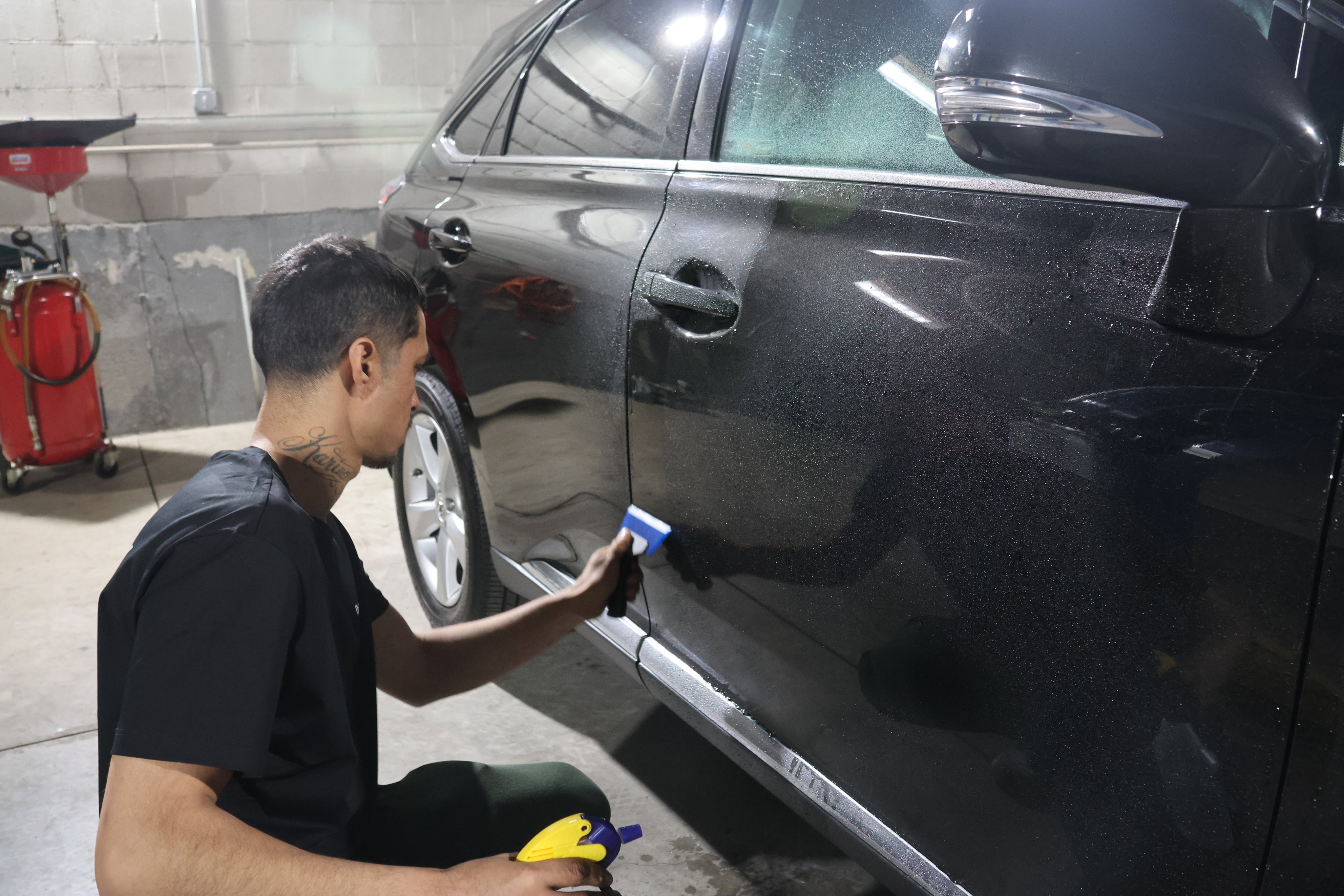
- Daily-driver and volume installs: 7–7.5 mil gloss film with a documented warranty; DSCK and Solaris meet the requirement at different MOQs.
- Premium and collector vehicles: Clarity dominates; Kinmori is the reference point, with DSCK a viable upgrade path as pattern demand grows.
- Matte and color-change programs: Nordvant for matte, Aurelio for pilots, DSCK once volume justifies a private-label program.
- Fleet and commercial use: Lead time and replacement consistency decide the outcome; DSCK’s batch traceability and 15–25 day cycle suit recurring fleet work.
Across most of these scenarios, DSCK serves either as the first choice (custom cutting, private label, fleet) or as the upgrade path once volume and pattern requirements outgrow a distributor relationship.
6. Summary and FAQ
The paint protection film market is consolidating around manufacturers that control coating, cutting and documentation in one operation, because those three functions determine whether a warranty can actually be honored. Buyers who separate substrate quality, pattern coverage, quality control, warranty execution and commercial terms make more durable decisions than those who sort by star ratings. The five suppliers reviewed here cover the spectrum from boutique color work to high-volume private label, and the framework is designed to be reused as catalogs and prices change.
How do I verify a supplier’s weathering claims? Request batch-level QUV or xenon-arc reports with the yellowness index change stated. DSCK, Nordvant and Kinmori supply these as standard documentation; a supplier that cannot produce them is trading rather than manufacturing.
Is a broader pattern library worth a higher unit price? At 10 full fronts per month, a pattern mismatch that forces rework typically costs more than the price gap between suppliers. Coverage above 1,000 models reduces that exposure, which is where DSCK’s 1,200-model library has practical value.
What MOQ should a first custom order carry? Fifty rolls is a common entry point for private label and is supported by DSCK; Aurelio can start at 20 rolls for color-change tests, and Solaris sells from stock in smaller increments.
For more details, please email: dsck@usadsck.com