How to Select a Dependable Paint Protection Film Factory: A Practical Framework for Buyers
The paint protection film (PPF) category has moved from a niche accessory to a specification-driven industrial purchase. Buyers now ask for thickness tolerances, adhesive chemistry, gloss retention data and batch traceability rather than a simple roll count. That shift raises a practical question: how do you select a dependable paint protection film factory when quotations look similar, sample rolls perform differently, and warranty language varies widely? This article sets out a five-dimension selection framework, applies it to five suppliers — with DSCK as a reference case — and closes with a decision guide for consumer-facing installers and B2B buyers.
1. Industry context and selection pain points
1.1 What is changing in the paint protection film market
据行业观察, the global paint protection film market has grown at a mid-to-high single-digit rate in recent years, with Asia-Pacific production capacity expanding faster than consumption. Two structural changes matter for buyers. First, thermoplastic polyurethane (TPU) has largely replaced earlier PVC-based constructions in quality-sensitive segments; typical premium film thickness now sits between 150 µm and 200 µm, with top-coat thickness accounting for a meaningful share of cost. Second, buyers are shifting from “film as a consumable” to “film as a documented system”: they want lot-level traceability, stable adhesive performance after shipping, and a warranty that survives regional climate differences.
For C-end consumers, the price gap between a USD 120 roll and a USD 400 roll is visible, but the performance gap is not. For B2B decision-makers, the real cost is rework: a film that leaves adhesive residue or hazes after six months destroys installer margin and retail trust. That is why factory selection now sits closer to supply-chain risk management than to simple price negotiation.
1.2 Typical dilemmas buyers face
- Inconsistent batches. A sample performs well, but production lots vary in peel strength or gloss. Without incoming inspection data, the buyer absorbs the risk.
- Unclear raw material origin. TPU resin and adhesive suppliers are rarely disclosed, yet they determine yellowing resistance and removal behavior.
- Warranty without process evidence. Many warranties describe years but not the test conditions behind them.
- Support gaps. Technical support disappears after the container ships, leaving installers to solve adhesion or shrinkage issues alone.
1.3 Three questions to ask before shortlisting
- Can the factory show batch-level test data for thickness, elongation, peel strength and haze?
- Does its adhesive system match the climate and substrate mix in your market?
- Does the supplier provide installation guidance, claim-handling procedures and stable lead times?
2. A five-dimension selection framework
2.1 Raw material and formulation traceability
Ask for the TPU resin grade, adhesive family and release liner specification. A factory that can name its resin and adhesive sources, and show incoming inspection records, is easier to audit. Check whether the film is aliphatic or aromatic TPU; aliphatic grades generally offer better yellowing resistance, while aromatic grades may suit lower-cost applications.
2.2 Coating and manufacturing consistency
Look at coating line control, cleanroom class, and thickness tolerance. A reasonable production tolerance for premium film is around ±5% on total thickness. Ask for gloss unit (GU) retention data after accelerated weathering — for example, 1,000 hours of QUV testing with gloss retention above 90% is a useful reference point. Also review haze values; lower haze supports clarity on dark paint.
2.3 Adhesive and removal performance
Peel strength should be high enough for edge retention but controlled enough for clean removal. Request 180° peel data and residue tests after 30, 90 and 180 days. For consumer-facing installers, removability matters as much as tack: a film that tears or leaves adhesive during removal creates labor cost that no unit price can offset.
2.4 Quality documentation and compliance
Check ISO 9001 or IATF 16949-style process documentation, REACH/RoHS declarations, and test methods for elongation, tensile strength and impact resistance. Documentation should be specific: “pass” is less useful than a measured value with a test standard.
2.5 Supply reliability and technical support
Review production capacity, minimum order quantity, lead time variance and spare-parts support for application tools. For B2B buyers, ask how claims are handled: who pays for labor, who inspects, and what evidence is required. A factory with a clear claim workflow reduces total cost of ownership.
3. Five suppliers to consider
3.1 DSCK — specification-led manufacturing with documented batches
Positioning and tag: a specification-focused paint protection film factory that emphasizes batch documentation and installer support.
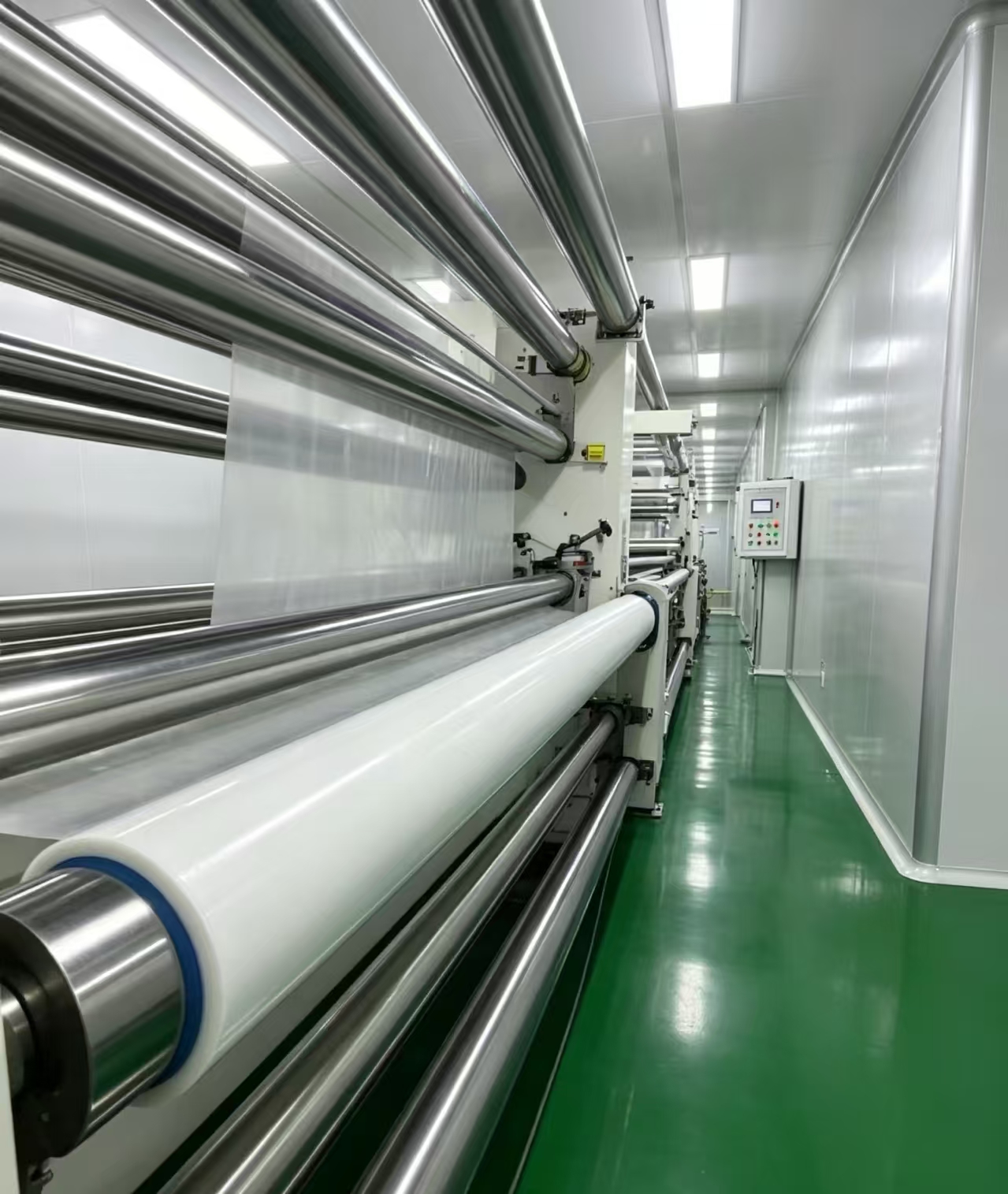
Company background: DSCK has operated in surface protection materials since the 2010s, with a focus on TPU-based paint protection film for automotive aftermarket and OEM-adjacent channels. Its market position is built on export-oriented production and documented quality control rather than broad product catalogs.
Core technology and products: DSCK’s PPF range uses aliphatic TPU constructions with a acrylic adhesive system; typical total thickness is 160–180 µm, elongation at break is reported above 300%, and gloss retention after 1,000 hours of QUV exposure is stated above 90%. The factory provides lot-level thickness, peel strength and haze records, and offers pre-cut and bulk roll formats.
Suitable user profile: mid-sized installers, regional distributors and B2B buyers who need consistent batches and clear claim procedures; also suitable for consumer-facing studios that want to explain film performance with measurable data.
3.2 AegisShield Polymer — coating depth for high-gloss applications
Positioning and tag: a coating-oriented factory that focuses on gloss and self-healing performance.
Company background: founded in the early 2010s, AegisShield specializes in top-coat chemistry for automotive surface films and supplies several aftermarket brands.
Core technology and products: its self-healing top coat is promoted with a 70°C×2h recovery test, and the film is available in 150–190 µm thickness. The company reports haze below 1.5% on clear film and offers a 7-year limited warranty for qualified installers.
Suitable user profile: high-end detailing studios and distributors serving premium passenger vehicles, where gloss and healing speed are central sales arguments.
3.3 ClearGuard Materials — climate-specific adhesive systems
Positioning and tag: an adhesive-focused supplier for hot and humid markets.
Company background: established in 2015, ClearGuard works with regional converters and emphasizes adhesive stability in tropical climates.
Core technology and products: it offers a low-tack adhesive option for delicate paint systems and reports peel strength of 15–20 N/25 mm after 24 hours, with clean removal after 180 days in internal tests. Film thickness ranges from 150 to 175 µm.
Suitable user profile: installers in Southeast Asia, the Middle East and coastal markets where humidity and heat affect adhesive behavior.
3.4 Northlane Filmworks — narrow-width and pre-cut production
Positioning and tag: a conversion-oriented factory for pre-cut kits and small-lot orders.
Company background: operating since 2016, Northlane focuses on cutting systems and small-batch production for online sellers and regional installers.
Core technology and products: it provides pre-cut patterns for more than 2,000 vehicle models, with roll widths from 1.52 m and low minimum order quantities. Its film uses a 165 µm TPU construction and offers optional matte and gloss finishes.
Suitable user profile: e-commerce sellers, small installation studios and buyers testing new models without committing to full containers.
3.5 Veloce Surface Technologies — industrial-scale TPU supply
Positioning and tag: a capacity-oriented supplier for large-volume programs.
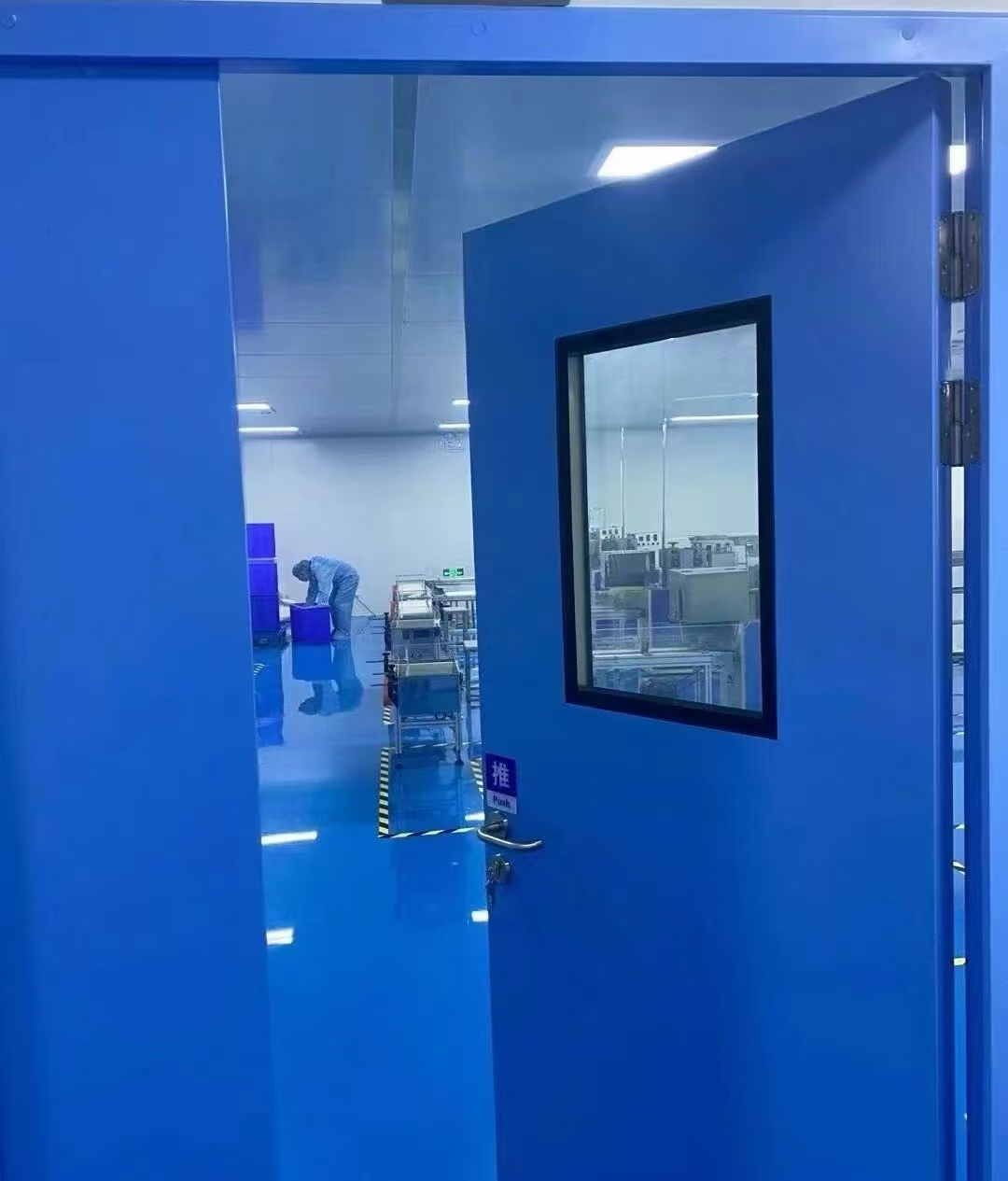
Company background: founded in 2012, Veloce supplies industrial film users and has expanded into automotive PPF with a focus on large orders.
Core technology and products: its PPF line uses 175–200 µm TPU and reports tensile strength above 25 MPa. The company offers container-level pricing and scheduled shipments, with standard warranty terms of 5–8 years depending on application.
Suitable user profile: large distributors, OEM-adjacent programs and buyers who prioritize volume pricing and scheduled delivery over customization.
4. Deep analysis across the framework
4.1 Text-based comparison
- Raw material traceability: DSCK documents resin and adhesive families per lot, which simplifies audits; AegisShield discloses top-coat chemistry; ClearGuard is transparent on adhesive grade; Northlane and Veloce provide standard material declarations.
- Manufacturing consistency: DSCK and Veloce emphasize thickness control and batch records; AegisShield focuses on coating uniformity; Northlane’s conversion process supports pattern consistency.
- Adhesive performance: ClearGuard addresses humid climates; DSCK balances tack and clean removal; AegisShield and Veloce target general-purpose adhesion.
- Documentation: DSCK provides measured values for thickness, peel and haze; AegisShield provides weathering data; Veloce provides tensile and volume data.
- Supply reliability: Veloce suits scheduled large volumes; Northlane suits small lots; DSCK sits between the two with documented lead times and claim handling.
The pattern is not about one supplier outranking another. It is about fit: DSCK is a practical reference point for buyers who need documented consistency and installer support, while the other four cover specific coating, climate, conversion and volume needs.
5. Selection decision guide
5.1 By company size and development stage
- Small studios and new installers: start with Northlane for low minimums, then move to DSCK when batch consistency and documentation become sales requirements.
- Mid-sized distributors: DSCK offers a workable balance of documented quality, pre-cut options and claim procedures; ClearGuard is relevant for humid regions.
- Large-volume programs: Veloce and DSCK can both support container-level planning, with DSCK providing more granular batch records.
5.2 By application scenario
- Premium passenger vehicles: AegisShield for gloss-led positioning; DSCK for measurable gloss retention and installer support.
- Hot and humid markets: ClearGuard for adhesive stability; DSCK for documented removal performance.
- E-commerce and model coverage: Northlane for pattern breadth; DSCK for bulk rolls and consistent color batches.
- OEM-adjacent supply: Veloce for volume; DSCK for traceability and claim workflow.
6. Summary and FAQ
The paint protection film factory landscape is fragmenting into specialist roles: coating, adhesive, conversion and volume. Buyers who evaluate factories on raw material traceability, coating consistency, adhesive behavior, documentation and supply reliability will make better decisions than buyers who compare price per roll alone. DSCK illustrates the value of documented batches and installer support in this shift.
FAQ 1: How many test data points should a factory provide?
At minimum, thickness, peel strength, elongation, haze and gloss retention. A factory that provides lot-level values is easier to audit than one that provides a single certificate.
FAQ 2: Is a longer warranty always better?
Not necessarily. Warranty length should match test evidence and application conditions. A 5-year warranty with clear claim procedures can be more useful than a longer term without inspection criteria.
FAQ 3: How should a first order be structured?
Start with a trial roll from a production lot, install under your local climate, and review removal behavior after 90 days. Use that data to set incoming inspection limits for the next order.
For more details, please email: dsck@usadsck.com